
Some (opinionated) themes and highlights from this year’s NIPS conference:

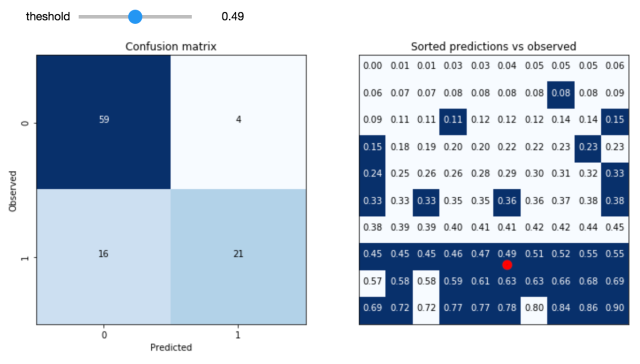
Lately I’ve been thinking a lot about the connection between prediction models and the decisions that they influence. There is a lot of theory around this, but communicating how the various pieces all fit together with the folks who will use and be impacted by these decisions can be challenging. One of the important conceptual pieces […]

Showing when and where natural disasters like hurricanes are going to cause damage is not just a question of aesthetics – it is literally a matter of life and death. The traditional way hurricane forecasts are shown has a number of problems, but are the alternatives actually better? The type of representation most people see […]
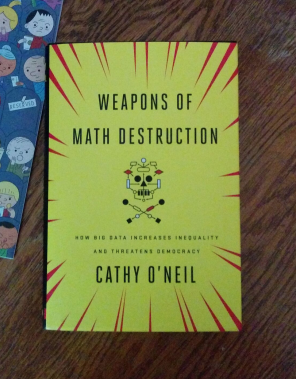
I’ve had this book on pre-order since spring and it finally arrived on Friday. I subsequently devoured it over the weekend. The book lays out a clear and compelling case for how data-driven algorithms can become — in contrast to their promise of amoral objectivism — efficient means for reproducing and even exacerbating social inequalities […]
Another great turnout at the DataPhilly meetup last night. Was great to see all you random data nerds! Code snippets to generate animated examples here.
The next DataPhilly meetup will feature a medley of machine-learning talks, including an Intro to ML from yours truly. Check out the speakers list and be sure to RSVP. Hope to see you there! Thursday, February 18, 2016 6:00 PM to 9:00 PM Speakers: Corey Chivers Randy Olson Austin Rochford Corey Chivers (Penn Medicine) Abstract: […]
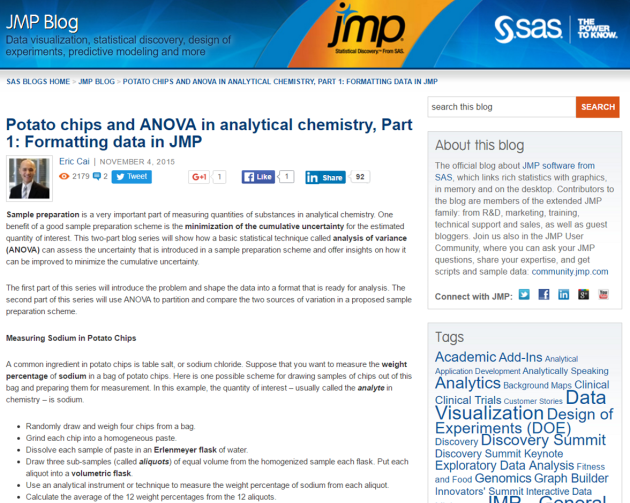
I am very excited to write again for the official JMP blog as a guest blogger! Today, the first article of a 2-part series has been published, and it is called “Potato Chips and ANOVA in Analytical Chemistry – Part 1: Formatting Data in JMP“. This series of blog posts will talk about analysis of […]
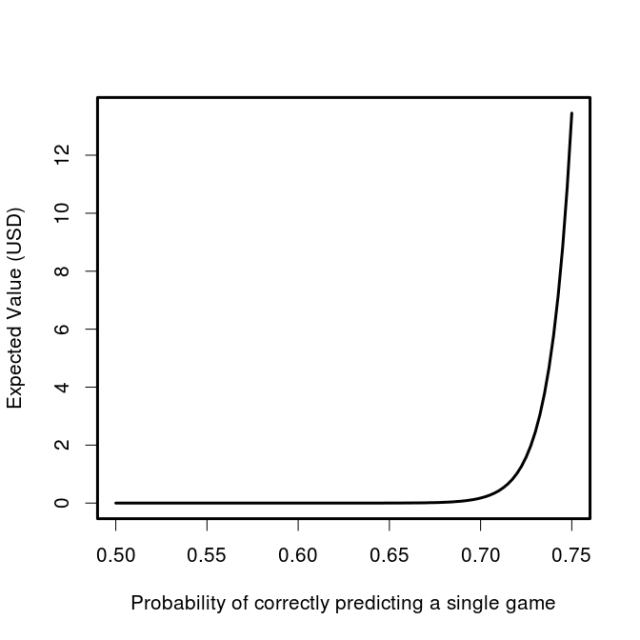
A friend of mine just alerted me to a story on NPR describing a prize on offer from Warren Buffett and Quicken Loans. The prize is a billion dollars (1B USD) for correctly predicting all 63 games in the men’s Division I college basketball tournament this March. The facebook page announcing the contest puts the odds at 1:9,223,372,036,854,775,808, […]

auto·di·dact n. A self-taught person. From Greek autodidaktos, self-taught : auto-, auto- + didaktos, taught; + sim·u·late v. To create a representation or model of (a physical system or particular situation, for example). From Latin simulre, simult-, from similis, like; = (If you can get past the mixing of Latin and Greek roots) sim·u·di·dactic adj. To learn by creating a representation or model of a physical system or […]
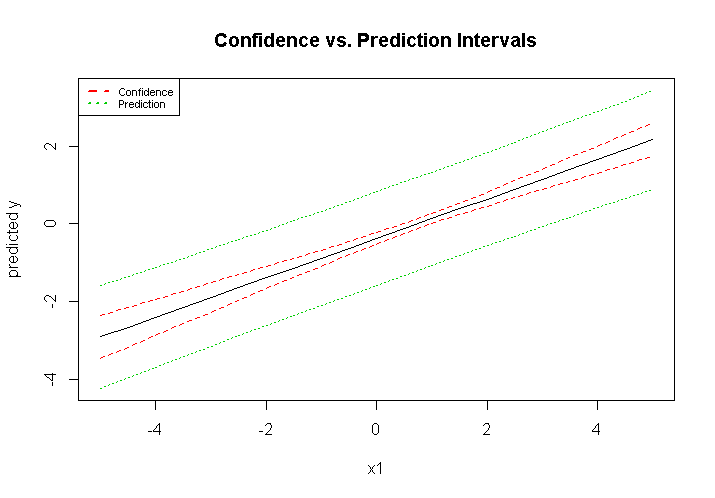
There are many kinds of intervals in statistics. To name a few of the common intervals: confidence intervals, prediction intervals, credible intervals, and tolerance intervals. Each are useful and serve their own purpose. I’ve been recently working on a couple of projects that involve making predictions from a regression model and I’ve been doing some […]
